Lajuma

Our Main Research.

LAJUMA IS A FIELD RESEARCH STATION, FOUNDED BY THE LATE DR IAN GAIGHER AND HAS BEEN OPERATIONAL ON THE PROPERTY SINCE 2000.

Substantially developing in size and credibility over the last decade and linked to numerous international and South African universities (particularly the local University of Venda) and conservation organisations. Lajuma employs professional staff, with extensive local knowledge of the property and region, to oversee the research programme, property and facilities, as well as support staff.

Galagos.

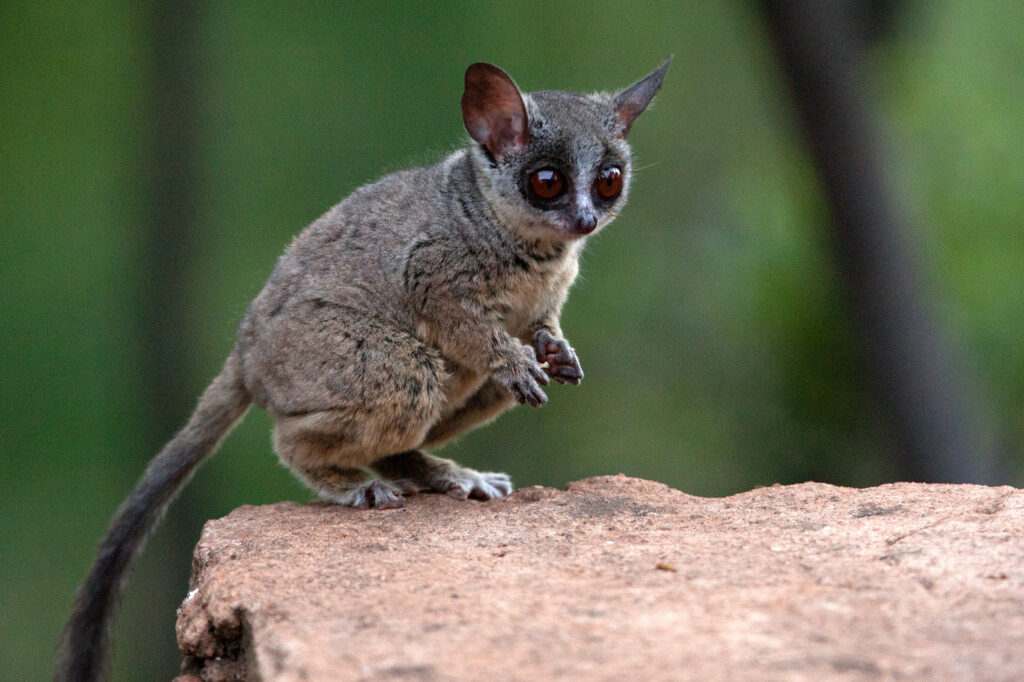
Both Galagidae species Otolemur crassicaudatus and Galago moholi are found at Lajuma. While prior research has offered valuable insights into sociability and habitat preferences in various primate species, a critical gap remains in the literature on O. crassicaudatus and G. moholi spatio-temporal use, sociality, niche partitioning, ecology, etc. More than 10 years of longitudinal data collection has been processed on O. crassicaudatus and is ongoing. Studying this little-known species and its interaction with the other Galagidae species found in the reserve. Both species occur in woodland regions of Southern Africa, which makes Lajuma the perfect home for them. Since 2013, a long-term study has focused on the Lajuma population of O. crassicaudatus, studying their demography, their ecology, ontogeny and morphology. Lajuma and its research area is home to more than 120+ individuals.

Lajuma Home Inspiring Conservation-01

Samango Monkey.

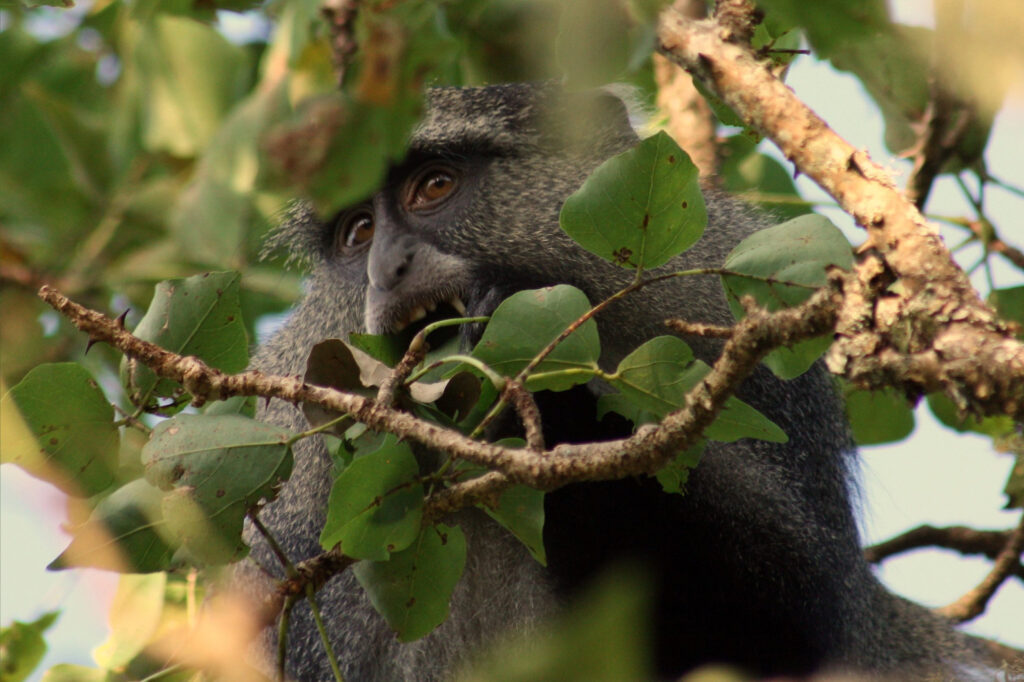
Samango monkeys (Cercopithecus albogularis) have been studied at LRC for over 20 years, focusing on their behaviour and ecology. The local subspecies, Cercopithecus albogularis schwarzi, is considered endangered and occurs in isolated populations throughout the Soutpansberg. Samangos mainly inhabit high-canopy indigenous forests and prefer feeding in native forest habitats. However, agriculture and urbanisation have increasingly fragmented these forests, leaving populations isolated with limited connectivity. As samangos are reluctant to cross open land and are poor dispersers, these isolated populations face a growing risk of local extinction.

Permanent Camera Grid.

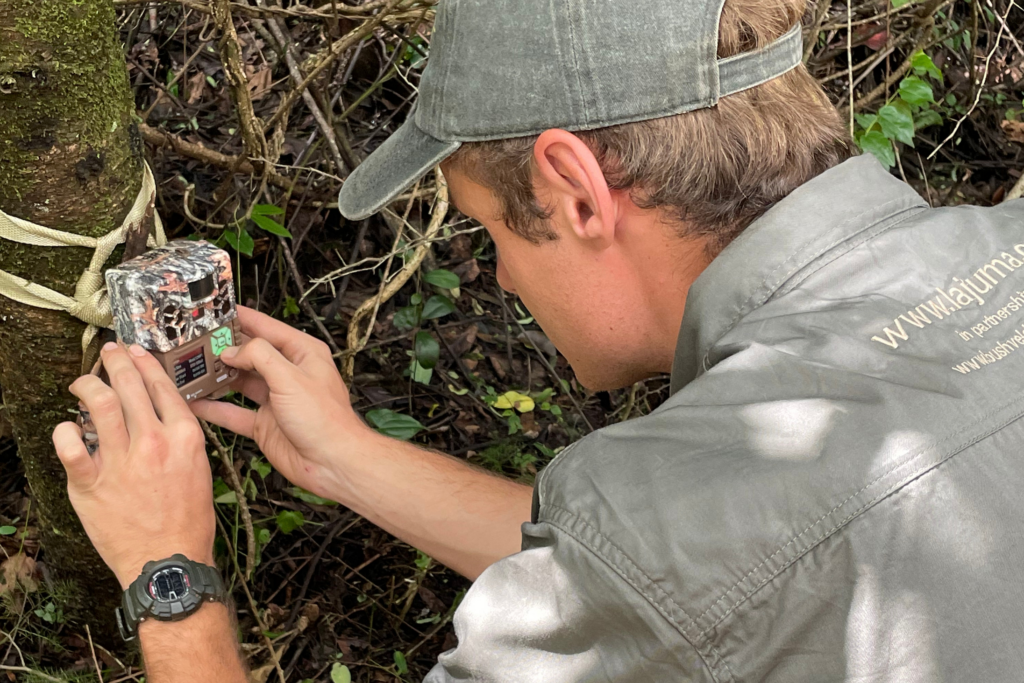
A total of 20 camera trap stations are spread over the Lajuma property. The study site presents a high diversity of habitats, including woody grasslands, mountain bushveld, mist belt forest, and riverine forest, and their related floral diversity is spread along an 8 km-long permanent river, considered a permanent resource for many species in the reserve. Those camera traps are notably used to monitor populations of bushbucks, leopard density and brown hyenas and allows the LRC to recover even more data and observations on various species including aardvark, porcupine, caracal, African civet and cape clawless otters and all of our 80+ mammals species.

Leopards.

Our permanent camera grid allows the LRC to conduct extensive research on the population found in the area. We are notably looking at the number of individuals present in the population, their sex-ratio, their activity patterns and abiotic and biotic preferences, including their relationship with other species found in the reserve. Predators induce trophic cascades and are indeed essential for ecosystem structure, functionality, stability, and resilience, and their thorough understanding and integration into conservation strategies are therefore critical.

Bird Research.

The Lajuma Research Centre provides opportunities to spot numerous beautiful and rare species of bird, including the purple crested turaco, narina trogon, cape vultures, violet-backed starling, African fish eagle, crested guineafowl and five owl species. Current bird lists show that the Lajuma is home to over 110+ birds species, with a further 60+ unconfirmed sightings which makes it a perfect place for bird research.

Understudied Species.

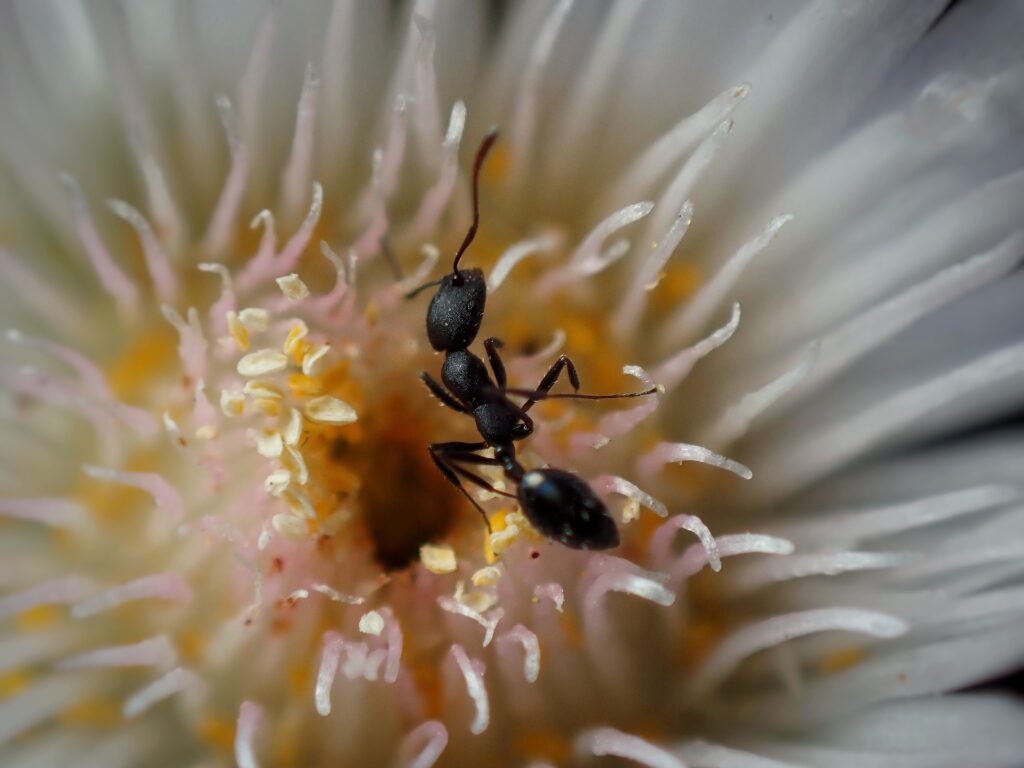
There are many species that occur which are understudied or under-represented in scientific investigations. Small ungulates such as red duiker have an isolated population in the Soutpansberg, disconnected from their main eastern range. Insect life is highly diverse on the mountain, with only a few groups such as ants having had been the focus of previous research groups. Meso-carnivores, hyraxes, butterfly species, among many others remain as under studied groups that need research focus.

Reptiles.

The Soutpansberg reptile community clearly shows effects of isolation. The mistbelt and the grassland on the summits, which both withstood climatic oscillations in the past, harbour the majority of species and most of the endemic taxa. For the reptile community, these sites therefore have significant ecological value. There are unique characteristics in this area as a result of the rocky ecosystems and the mountain’s cooler environment. Numerous species of Soutpansberg endemics have adapted to mesic conditions, and the majority of them live rupicolous lives. Platysaurus relictus, Bradypodion transvaalense, Amblyodipsas microphthalma nigra, and Prosymna stuhlmannii are among the various species of reptiles that can be found locally.

Vegetation.

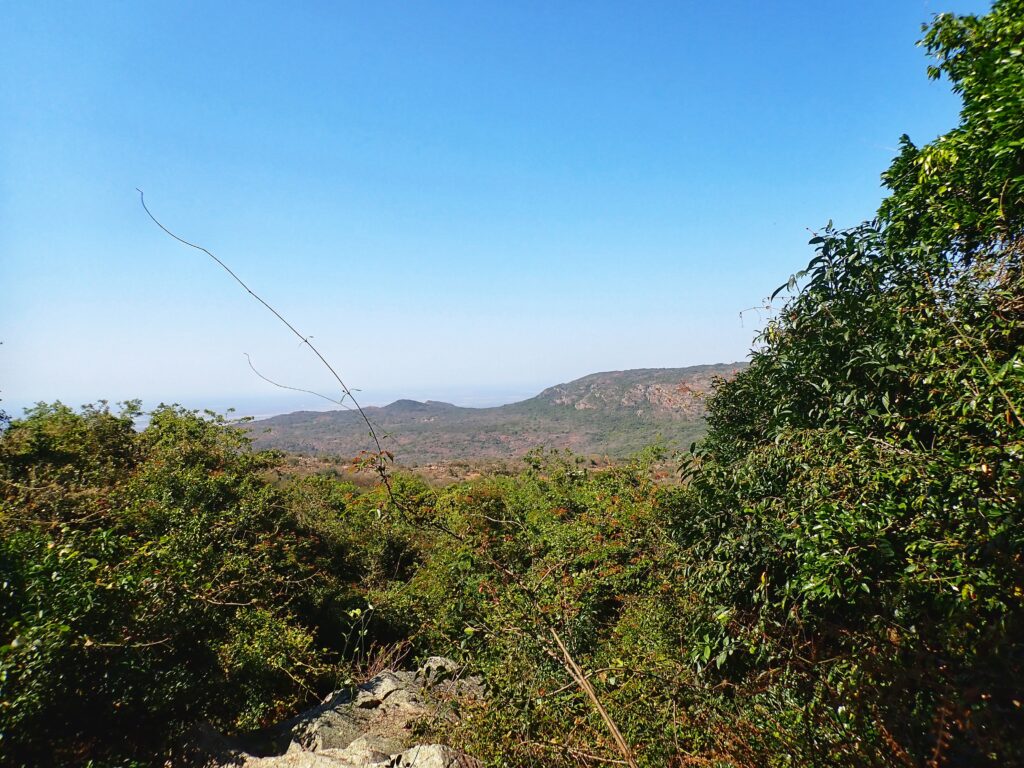
Lajuma is home to more than 2,500 plant species and 600 tree species. They cover a variety of habitats including woody grasslands, mountain bush veld, mist belt forest, and riverine forest, and their related floral diversity. The diversity in vegetation can change rapidly with sheer cliff faces or termite mound centred forest patches. The environment is highly regulated by the vegetation shifts from one habitat to another.