Empowering global researchers and future
scientists through hands-on fieldwork and
world-class ecological research.
The Lajuma Research Centre (LRC) provides fieldwork opportunities to local and foreign students, volunteers and research teams.
To date more than 500 students and volunteers ranging from pre-university to Ph.D. Candidates to Postdoctoral Fellows have participated in the Lajuma Program or conducted their own research, publishing over 100 peer-reviewed articles.
Advancing conservation through
education.
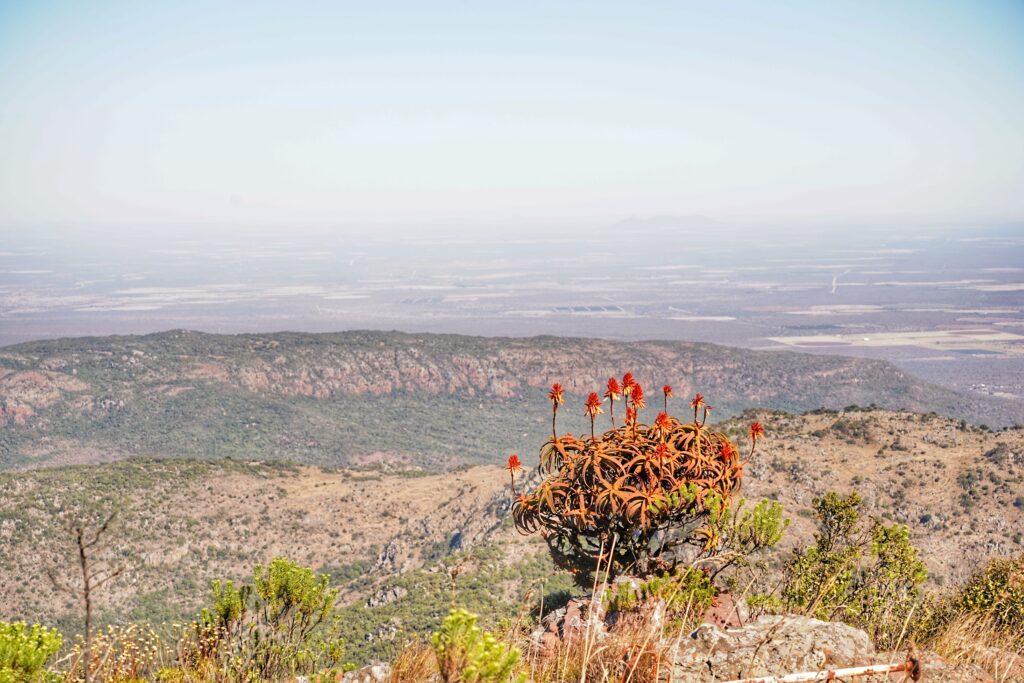
Lajuma is situated 25 km east of Vivo and 45 km west of Makhado (Louis Trichardt) high up in the Soutpansberg Mountain range. The highest peak of the Western Soutpansberg is situated on the reserve. Lajuma has a surface area of 430ha and the topography is rugged, with deep valleys and high cliffs. The reserve is characterized by clear mountain streams and beautiful waterfalls. Vegetation varies from montane grassland to woodland, thicket, and multiple forest types. Due to its location and diversity of soil and climatic zones, the area contains a remarkable diversity of plants and animals. There are more than 2500 plant species and 600 tree species present on the Lajuma property.
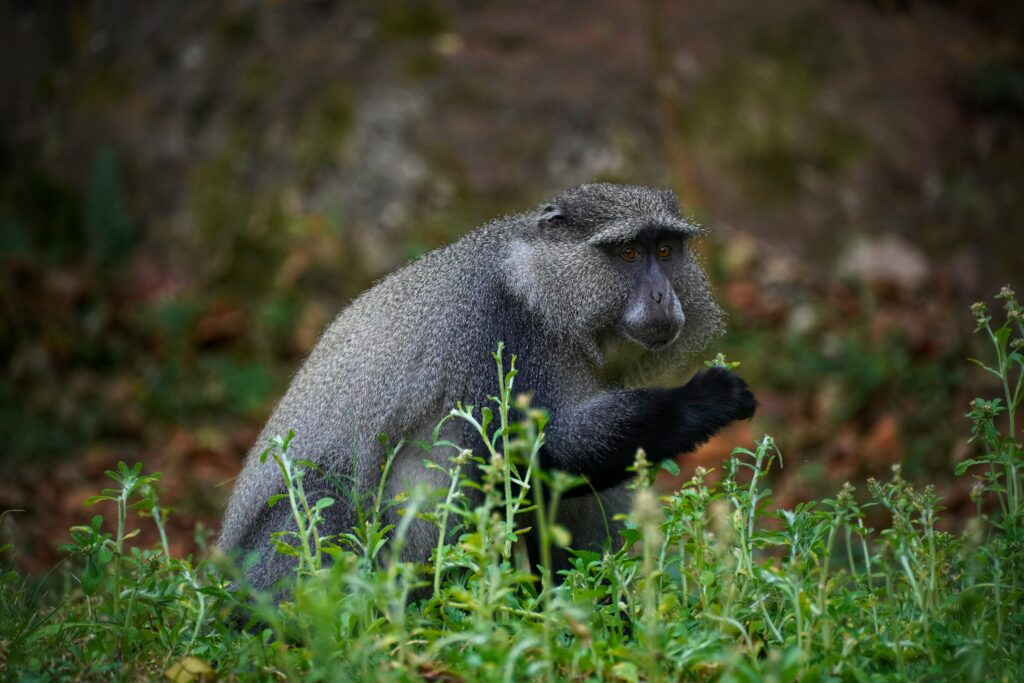
Lajuma has good populations of mountain reedbuck, red duiker, grey duiker, Sharpe’s grysbok, klipspringer, bushbuck, warthog, bushpig and kudu. All five South African primate species occur in abundance: chacma baboon, vervet monkey, samango monkey, lesser bushbaby and greater bushbaby. Aardvark are relatively abundant but rarely seen, while pangolins have also been sighted. Predator species include mongoose, honey badger, genet, serval, caracal, brown hyena and leopard, with leopard density being relatively high despite sightings being rare. Rare birds such as the narina trogon, crested guinea fowl and gorgeous bush shrike are abundant, while Lajuma also supports a high diversity of reptiles and amphibians, including numerous snake species.
Lajuma does not represent the typical perceived African savannah environment but does however present a unique wilderness area with a remarkable diversity of plants and animals. Beautiful mountain scenery, remote, unpolluted and tranquil yet within an hour’s drive of an urban centre with shopping centres and good medical facilities. You will not hear lions roar at night but you will experience tranquillity and peace in this immersive environment. Fruit bats squeaking, bush babies calling and a wood owl duet are just some of the common nighttime choruses. Exploring this environment is for those who are active or enjoy hiking as the terrain provides a challenge to navigate. From the southern boarder to the highest peak is approximately 500m in elevational change which lends itself to interesting research questions.
The Lajuma Research Centre is located high up in the Soutpansberg mountain range. The highest peak of the Western Soutpansberg is situated on the reserve, at a height of 1747 meters. The reserve has a surface area of 430ha and forms part of the Luvhondo Nature Reserve, part of the UNESCO Vhembe Biosphere Reserve.